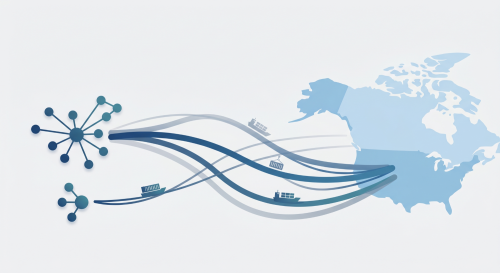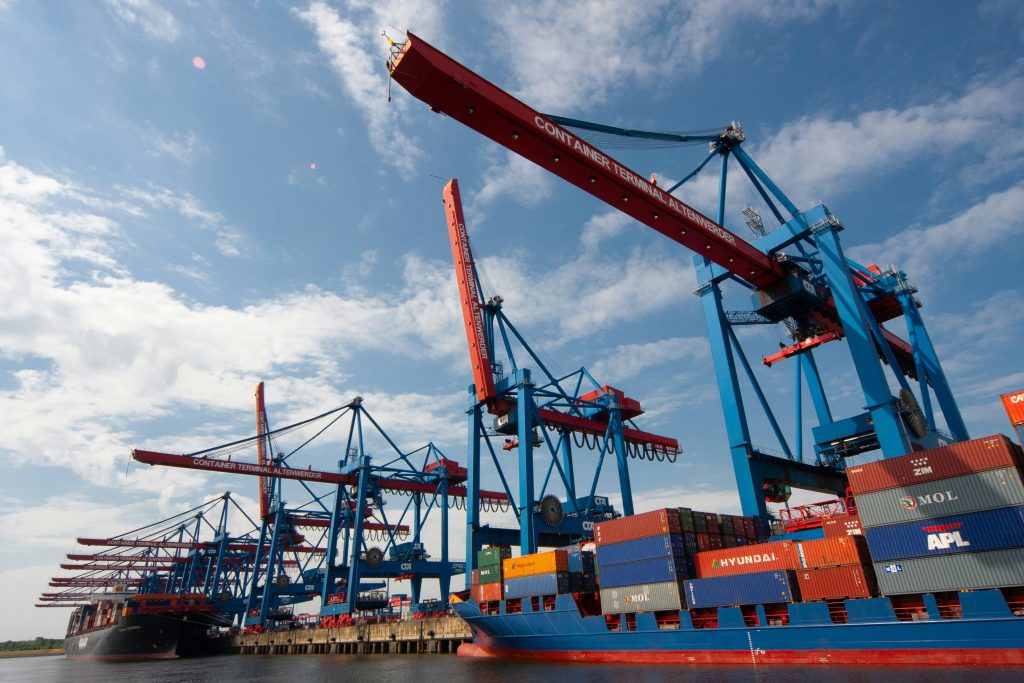
Managing a global supply chain requires constant adaptation to market shifts, and today marks a significant turning point for the Transpacific Eastbound trade lane.
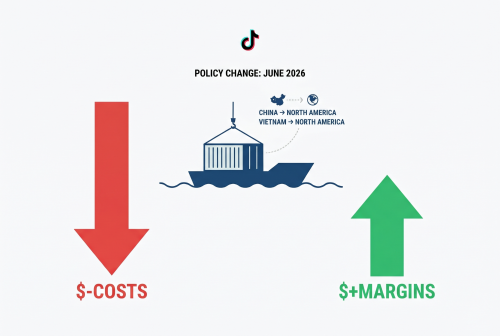
Effective today, December 1, 2025, major ocean carriers including Hapag-Lloyd, COSCO, and ZIM have implemented a General Rate Increase (GRI). Spot rate increases are currently ranging from $1,000 to $3,000 per 40ft container (FEU).
For shippers moving goods from Asia to the US, this hike signals a period of tightening capacity and higher costs. To navigate this, you need the right strategy, carrier mix, and routing options tailored to your inventory needs.
In this update, we’ll break down why this GRI is happening, the "Perfect Storm" driving the rates, and how Linktrans helps shippers mitigate these costs through strategic planning.
What is driving this sudden rate spike?
A General Rate Increase (GRI) is a standard tool carriers use to adjust pricing in response to demand. However, this specific December increase is driven by three converging factors:
- The Pre-Lunar New Year Rush: With the Chinese New Year falling in late January 2026, factories are preparing to close. This triggers a massive "front-loading" of cargo, artificially squeezing capacity.
- Contract Negotiation Leverage: Carriers are raising spot rates now to set a higher "floor" for the 2026 annual contract negotiations.
- Strategic Blank Sailings: Carriers have aggressively cancelled sailings in November to manage supply, forcing utilization levels up.
For businesses replenishing late-season inventory, this creates a challenge: How do you secure space without destroying your Q1 budget?
3 Strategies to Mitigate the GRI Impact
Implementing a flexible logistics strategy can help you absorb these costs. Here are three best practices for navigating a high-rate market.
1. Diversify Your Routing
Don't rely solely on the most popular (and expensive) trade lanes, such as Shanghai to Los Angeles. Utilizing alternative gateways—like the Pacific Northwest (PNW) or Gulf Coast ports—can often yield lower total landed costs, even when the base ocean rate rises.
2. Prioritize "Must-Move" SKUs
Not every container needs to arrive at express speed. Segment your inventory by urgency. Ship your "must-have" items via premium direct services, and move your replenishment stock via economical transshipment services to average down your costs.
3. Leverage Block Space Agreements
Spot market rates are volatile. Shippers who book through providers with long-term Block Space Agreements (BSAs) are often shielded from the most extreme peaks of a GRI, as their rates are pre-negotiated.
How Linktrans optimizes logistics during market volatility
At Linktrans, we know that shipping stability can make all the difference for e-commerce brands and importers managing tight margins. Our infrastructure and carrier relationships are built to simplify complex market shifts, helping merchants ship efficiently without sacrificing reliability.
Here are just some of the capabilities Linktrans offers to help brands navigate the GRI and other market disruptions.
Block Space Agreements (BSAs) for Rate Stability
Linktrans’ long-term volume commitments allow us to offer merchants a layer of financial protection. Through our Block Space Agreements with core carriers, we can often secure space and pricing that is insulated from day-one spot rate spikes. While the general spot market may jump by $3,000 overnight, Linktrans clients often access pricing tiers that are significantly more stable. This ensures that your budget remains predictable, even when the market is chaotic.
Alternative Routing Options
Linktrans’ diverse network enables merchants to bypass congested and expensive hotspots. We don’t just book the first available ship; we engineer the route.
- Cost-Efficient Loops: We offer "slower service" loops that trade a few days of transit time for significant freight savings.
- Port Diversification: If the GRI impact is heaviest on the US West Coast, our team can actively re-route your freight through less volatile gateways (such as PNW or Gulf ports) to find the most cost-effective path.
Asset-Based Last-Mile Control
The GRI doesn't just affect the ocean; it creates congestion at the port. Unlike forwarders who outsource every step, Linktrans operates its own local trucking fleet and warehouses in the US and UK. "One of the best parts of the Linktrans solution is the control we retain. Once the box hits the port, Linktrans uses their own trucks to pull it and deconsolidate it. We don't get stuck waiting for third-party carriers during the busy season."
Real-Time Inventory Visibility
With Linktrans’ advanced digital platform, businesses can monitor their shipments in real-time across multiple carriers. This visibility helps merchants make informed decisions about inventory allocation—deciding which SKUs to rush via air or fast boat, and which to send via economical ocean freight—ultimately preventing stockouts during the critical Pre-Lunar New Year window.
For more information on how Linktrans can support your business in managing freight costs and capacity, contact us below.
We are a specialized Amazon Logistics carrier. If you need help optimizing your supply chain or ensuring compliance with new regulations to protect your margins, contact us if needed.
02 Dec, 2025