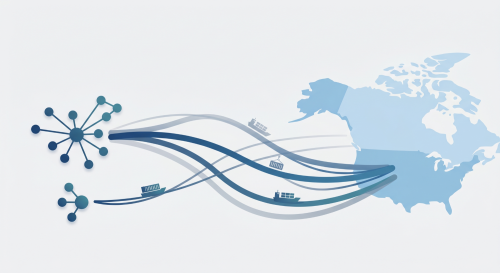
The United States is rapidly accelerating its Section 301 investigation. A sweeping new tariff policy—spanning 60 countries and imposing additional duties of 10% to 25%—is highly likely to take effect in July 2026.
For cross-border brands and e-commerce sellers, the July timeline is critical. It aligns directly with the peak shipping window for Q3 and Q4 holiday inventory. These imminent tariffs will directly cut into margins for hardware and consumer goods. This article breaks down the immediate business impact and the defensive logistics strategies supply chain managers must implement now.
The Global Scope of the 2026 Tariff Acceleration
This is not an isolated, single-lane trade dispute. On March 12, 2026, the Office of the U.S. Trade Representative (USTR) initiated Section 301 investigations targeting the forced labor import policies of 60 economies. This means that traditional, simple "change of origin" strategies will not be enough to bypass the impact.
The investigation covers major U.S. trading partners across the Americas, Europe, Asia, Africa, and the Middle East. If you source from or route shipments through any of the following 60 economies, your supply chain is directly exposed to the potential 10% to 25% tariff hike:
The Americas: Argentina, The Bahamas, Brazil, Canada, Chile, Colombia, Costa Rica, Dominican Republic, Ecuador, El Salvador, Guatemala, Guyana, Honduras, Mexico, Nicaragua, Peru, Trinidad and Tobago, Uruguay, Venezuela. Asia & Pacific: Australia, Bangladesh, Cambodia, China, Hong Kong, India, Indonesia, Japan, Kazakhstan, Malaysia, New Zealand, Pakistan, Philippines, Singapore, South Korea, Sri Lanka, Taiwan, Thailand, Vietnam. Europe: European Union, Norway, Russia, Switzerland, Türkiye, United Kingdom. Middle East & Africa: Algeria, Angola, Bahrain, Egypt, Iraq, Israel, Jordan, Kuwait, Libya, Morocco, Nigeria, Oman, Qatar, Saudi Arabia, South Africa, United Arab Emirates.
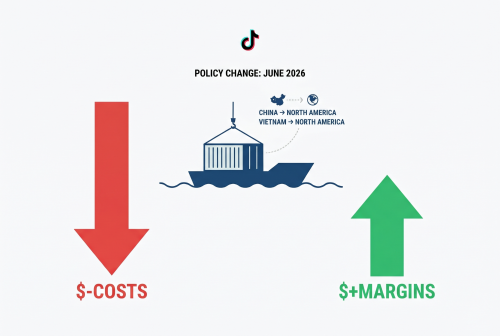
The financial implications of this sweeping list are straightforward and severe. A sudden 10% to 25% increase in import duties directly inflates your Cost of Goods Sold (COGS). For a standard ocean shipping container of consumer electronics or apparel, this translates to tens of thousands of dollars in unbudgeted costs per shipment.
Why the July Implementation is a Critical Threat
The timing of this policy rollout creates a perfect storm for global logistics.
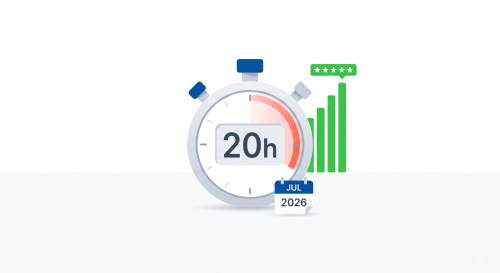
- Colliding with Peak Season Prep: Ocean transit from major manufacturing hubs in Asia and Southeast Asia to the U.S. typically takes 20 to 40 days. If the new tariffs are enforced in July, cargo dispatched in late May and early June will hit U.S. ports exactly as the higher tax rates go live.
- Imminent Port Congestion: Historical data shows that looming tariffs always trigger a global "front-loading" rush. Importers scramble to get inventory into the U.S. before the deadline, leading to severe capacity shortages at origin ports and heavy congestion at destination terminals.
Agile Routing and Quality Control
When global trade barriers widen, your logistics strategy must prioritize precision and loss prevention over simple freight forwarding.
Diversified Routing Relying on a single port of entry or a traditional direct-shipping model is increasingly risky. Supply chains must utilize agile routing, potentially leveraging bonded warehouses or specific multimodal transport solutions to optimize tax structures and avoid congested bottleneck ports.
The "Inspect First, Load Later" Imperative When your import costs spike by up to 25%, the margin for error drops to zero. You cannot afford to pay high tariffs on unsellable inventory.
This makes the "Inspect First, Load Later" model a mandatory protocol, not just a quality control option. By executing rigorous inspections at the origin hub before the container is loaded, you intercept defective units early. Shipping flawed products to the U.S. and paying a 25% premium on them—only to face return or destruction costs later—is a fatal blow to cash flow. Quality control at the origin is your strongest defense against wasted tariff capital.
The timeline for the new Section 301 tariffs is outside of your control, but your supply chain's response speed is not.
The July deadline is rapidly approaching, and the window to secure reliable freight capacity is closing. Partner with the Linktrans global routing team to optimize your shipping schedule and integrate the "Inspect First, Load Later" protocol before the new tariffs take effect.
01 May, 2026