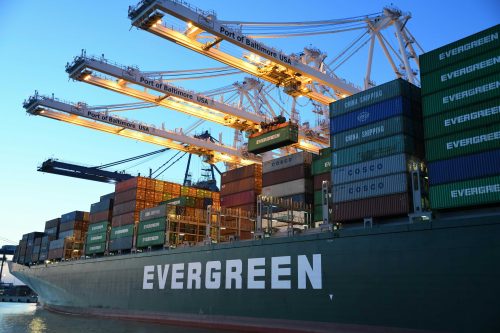
Your 20-foot container can hold 28,000 kg (62,000 lbs) of cargo. It says so right on the door. So why did your shipment just get stopped at the Port of Los Angeles, hit with massive fines, and now requires an expensive "transloading" service?
Welcome to the most expensive and misunderstood "secret" in logistics: A container's ocean weight limit is NOT the same as its legal road weight limit.
For factories and e-commerce sellers shipping to the US, UK, and Canada, understanding this difference is the key to avoiding costly penalties and delays. This guide will show you the real numbers you need to know.
Part 1: The Ocean Limit (The Easy Part) – SOLAS & VGM
First, let's cover the rule for the ship. The International Maritime Organization (IMO) enforces the Verified Gross Mass (VGM) requirement under the SOLAS (Safety of Life at Sea) convention.
- What it is: The shipper (you) must provide the accurate total weight of the packed container (cargo + dunnage + container's own weight).
- Why it's important: Overweight or mis-declared container can destabilize a ship, causing it to capsize or damage equipment.
For ocean travel, the maximum cargo payload is printed on the container door:
- 20ft Container: Max Payload ≈ 28,000 kg (62,000 lbs)
- 40ft Container: Max Payload ≈ 28,600 kg (63,000 lbs)
This is where sellers make their mistake. They see these numbers and load the container to the maximum. But the moment that container lands, a new set of rules applies.
Learn more: Things to Consider Before Loading a Container for the First Time
Part 2: The Real Problem – Road Weight Limits
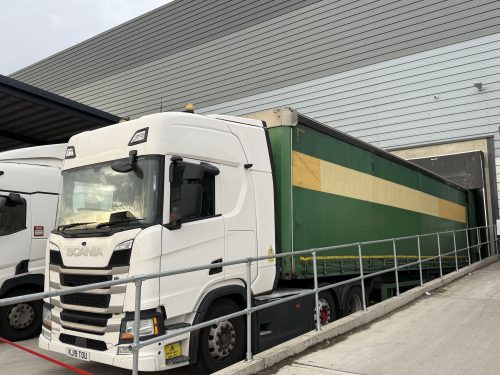
Once your container is off the ship, it must be put on a truck chassis to be delivered to your warehouse or FBA center. This is where you face the Gross Vehicle Weight (GVW) laws.
GVW is the total combined weight of:
- The truck (tractor)
- The chassis (the trailer frame)
- The empty container
- Your cargo
In the United States, the federal GVW limit is 80,000 lbs (36,287 kg). In the UK and Canada, the limits are different. This all-inclusive limit leaves a much, much smaller allowance for your actual cargo than the 28,000 kg you're allowed on the ship.
Part 3: Your Practical "Cheat Sheet" for Road-Legal Cargo
Here are the practical cargo weight limits you must follow to ensure your container is legal for truck transport in your destination country.
| Country | Container Type | Practical Cargo Limit (Standard Chassis) | Why is there a limit? |
| United States | 20ft Standard | ~17,200 kg / 38,000 lbs | Limited by the 80,000 lbs total GVW. |
| United States | 40ft Standard / HC | ~20,000 kg / 44,000 lbs | Limited by the 80,000 lbs total GVW. |
| United Kingdom | 20ft / 40ft | ~26,000 kg / 57,000 lbs | The UK has a much higher GVW limit of 44,000 kg (97,000 lbs), allowing for heavier loads. |
| Canada | 20ft / 40ft | ~20,400 kg / 45,000 lbs | Varies by province, but this is a safe limit. (Note: "Spring Thaw" restrictions can lower this further.) |
Note: Heavier loads are sometimes possible in the US with specialized, more expensive equipment (like a "tri-axle" chassis for a 20ft container), but you must pre-plan this.
Part 4: "My Cargo is Heavier than the Road Limit. What Do I Do?"
If your cargo is heavy and dense (e.g., beverages, tile, metal parts) and you must ship more than the road limits above, you have options. But you must plan this before you ship.
- The Best Solution (Pre-Planning): The smartest move is to split the heavy cargo. Instead of loading one 40ft container with 25,000 kg, you must load two 40ft containers with 12,500 kg each. This is the most cost-effective and reliable way.
- The Most Common Solution (Transloading): If an overweight container arrives, it must be moved to a warehouse near the port. The cargo is then "transloaded" (unloaded and repacked) into two or three domestic 53-foot trucks. This is very expensive and adds 1-2 weeks to your delivery time.
- The UK Exception: If you are shipping to the UK, you can load much heavier (up to ~26,000 kg) without this issue, as their road limits are higher.
Don't Guess, Get a Plan
Navigating the difference between SOLAS ocean limits and local road limits is one of the biggest challenges in logistics. A simple 5,000 kg mistake can cost you thousands in fines, chassis fees, and transloading services, wiping out your entire profit margin.
At Linktrans, this isn't a problem—it's part of our core service.
We are more than a shipping platform; we are your compliance partner. We analyze your cargo weight and destination before it ever leaves China. We will advise you whether to split the shipment, route it through the UK, or use specialized equipment in the US.
Don't let a "road legal" surprise ruin your shipment. Contact a Linktrans expert to plan your next cargo move with confidence.
12 Apr, 2024