Amazon is officially opening the submission windows for Prime Day 2026 deals, but this year's event comes with unprecedented supply chain friction. While most sellers immediately scramble to Seller Central to calculate their 20% discounts, the actual battle for profitability is happening in the logistics network. With heavy industry rumors suggesting Amazon may shift Prime Day 2026 to late June to bolster its Q2 earnings, the runway for cross-border sellers has abruptly compressed. If your inventory is stuck at a congested port or delayed by Amazon’s new volume-based capacity limits, your carefully planned promotional strategy will collapse.
Deal vs. Margin Trap
Submitting a Prime Day deal requires strict adherence to Amazon's pricing algorithms, which demand the lowest price of the year or a steep minimum discount off the regular price. However, you cannot afford to calculate these discounts using outdated Q1 freight data.
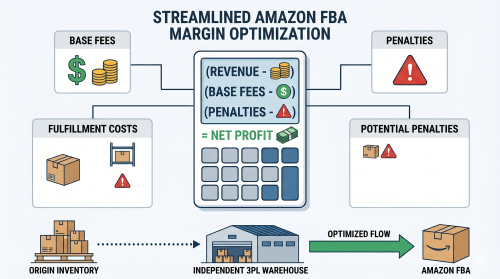
Before you hit "submit" on a Lightning Deal, you must calculate your true landed cost based on projected Q2 ocean freight rates and rising warehouse storage costs. Offering a steep discount on a hero SKU might artificially boost your Best Sellers Rank (BSR), but if rising container costs and FBA storage fees eat the rest of your margin, you are effectively paying Amazon to move your inventory. You must rigorously stress-test the profitability of every SKU before committing it to a promotional slot.
2026 FBA Capacity Restrictions
The rules of inventory staging have fundamentally changed. Going into Prime Day 2026, Amazon's FBA capacity limits are now strictly measured by volume (cubic feet) rather than individual unit counts.
This means sellers dealing in oversized or bulky goods will max out their FBA capacity much faster than in previous years. Sellers who attempt to direct-ship their entire Prime Day volume into FBA at the last minute are walking into a trap. Not only will you face maximum exposure to Amazon's severe inbound placement fees, but you risk having your shipments rejected entirely if they exceed your cubic volume limits. Missing that late-Mayhttps://www.google.com/search?q=/early-June inbound receiving cutoff will result in devastating out-of-stock penalties during the highest-traffic event of the year.
July Shift: A Compressing Timeline
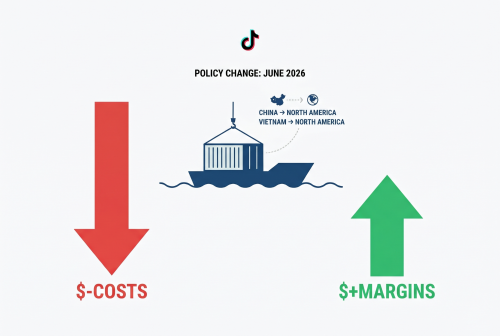
Historically, Prime Day anchors mid-July. However, if the rumors hold true and the event is pulled forward to late June 2026, every single logistics deadline shifts up by three to four weeks. You can no longer rely on last year's calendar. Ocean freight that traditionally sailed in mid-May must now be booked and loaded by late April. This timeline compression will cause an early spike in Transpacific shipping rates, meaning sellers who wait for Amazon to officially announce the date will be left paying premium spot rates for vessel space.
Your Prime Day 2026 Action Plan
To capitalize on Prime Day without sacrificing your profit margins to fulfillment penalties or stockouts, you must optimize your inbound freight strategy today.
- Submit Deals Strategically: Lock in your Lightning Deals and Prime Exclusive Discounts immediately before the submission windows close, but only commit your top-performing, high-velocity SKUs that have a verified, stress-tested profit margin. Do not discount slow-moving inventory just to participate.
- Buffer Inventory with a Domestic 3PL: Do not rely on direct-to-FBA shipping for your massive Q2 restocks, especially with the new volume-based limits. Stage your bulk Prime Day inventory in a domestic Linktrans warehouse. From there, you can drip-feed your stock into Amazon Warehousing & Distribution (AWD) to maintain healthy FBA inventory levels while actively bypassing severe inbound placement fees.
- Secure Ocean Freight Capacity Now: Q2 vessel space will tighten rapidly as thousands of cross-border sellers rush to meet Amazon's compressed deadlines. Finalize your container bookings immediately to ensure your inventory lands, clears customs, and reaches your fulfillment centers well ahead of the final FBA cutoff dates.
25 Mar, 2026