For the past couple of years, TikTok Shop US has been the wild west of e-commerce growth. Fueled by a highly engaging algorithm and aggressive platform subsidies, sellers have enjoyed a unique environment where the sheer volume of impulse purchases far outweighed the operational costs.
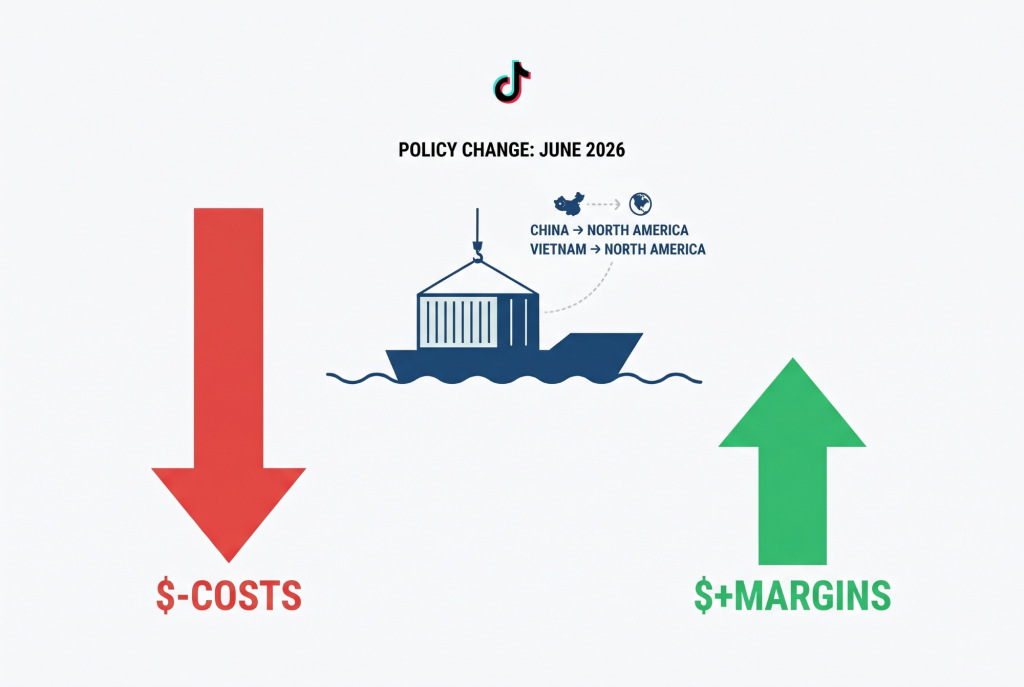
However, the "growth-at-all-costs" phase is officially over. Starting in June 2026, TikTok Shop US is implementing a massive shift in its return policy, transferring the financial burden of "buyer-remorse" returns directly onto the sellers.
For cross-border merchants, this is not just a minor policy tweak; it is a fundamental threat to unit economics. This comprehensive guide breaks down the exact mechanics of the new policy, the hidden margin traps, and the strategic supply chain pivots required to survive.
Part 1: The Anatomy of the June Policy Update
To understand the threat, we must look at how the safety net is being removed.
The End of the Premium Subsidy Historically, TikTok Shop absorbed a massive portion of the reverse logistics costs to keep the platform frictionless. If a buyer initiated a return for a "buyer fault" reason (e.g., "no longer needed," "bought by mistake," or "doesn't fit"), the platform subsidized up to 50% of the return shipping fee. High-performing sellers could see up to 80% covered.
- The New Rule: Moving forward, sellers are responsible for 100% of the return-related shipping costs for buyer-fault return reasons. The platform subsidy drops to zero.
The $10 "Returnless Refund" Mandate TikTok is enforcing strict automation for low-ticket items to optimize network efficiency.
- The New Rule: For returnable products priced at $10 or less, TikTok Shop will automatically approve refunds without requiring the buyer to ship the product back.
- The Impact: The seller absorbs the complete loss of the COGS (Cost of Goods Sold) and the forward shipping fee. There is no platform reimbursement for the lost inventory.
Seller-Defined Rules & Zero Subsidies Sellers can set custom "returnless refund" thresholds for items between $10 and $100. Because paying the carrier to ship a $15 item back to a 3PL often costs more than the item's manufacturing value, letting the buyer keep the item is often the cheaper mathematical choice. However, TikTok explicitly states that if a seller utilizes these self-defined rules, the platform provides zero financial subsidy.
Part 2: The Margin Math—Why This Hurts Cross-Border Sellers
TikTok’s algorithm is built on short-form video dopamine. It drives immediate, frictionless purchases. However, this high-velocity sales model naturally generates a significantly higher rate of "buyer remorse" compared to search-intent platforms like Amazon.
Let’s look at the math for a typical $25 apparel item under the new rules:
- Retail Price: $25.00
- COGS + Inbound Freight: $8.00
- Pick, Pack & Forward Shipping (3PL to Customer): $6.00
- Platform Fees/Marketing: $5.00
- Net Profit: $6.00
If a customer experiences buyer remorse and returns the item:
- You lose the $25 revenue.
- You lose the $6 forward shipping cost.
- The New Penalty: You now pay an estimated $6 to $8 for the reverse shipping label to get it back to your 3PL.
- 3PL Processing Fee: ~$2.00 to receive and inspect the returned unit.
A single buyer-remorse return now costs you around $14 to $16 out of pocket. You would need to sell three more of that exact same item flawlessly just to recover the financial loss of one return.
Part 3: The Root Cause of Social Commerce Returns
While you cannot reprogram human psychology to stop impulse buying, you must neutralize the operational factors that exacerbate it. In cross-border e-commerce, the number one trigger for buyer remorse is transit time.
When a user buys a viral product on a Tuesday night, their excitement is at its peak. If that product takes 15 to 20 days to arrive via a slow, fragmented shipping route, the dopamine hit fades. By the time the package finally arrives, the customer has forgotten why they wanted it, feels guilty about the spending, and instantly hits the return button.
Under the June policy, that slow-shipping penalty comes entirely out of your margin.
Part 4: The Operational Playbook for Survival
You cannot change TikTok's policy, but you can restructure your operations to build a stronger margin buffer.
Strategy 1: Catalog and Pricing Adjustments
If you are selling items under $10, you are now operating in a high-risk zone where automatic returnless refunds will destroy your cash flow.
- Action: Bundle your low-ticket items. Combine a $7 item and an $8 item into a $15 kit to escape the automatic $10 returnless mandate and raise your AOV (Average Order Value) to absorb potential reverse shipping costs better.
Strategy 2: Aggressive Quality Control at Origin
"Doesn't fit" and "not as described" are technically buyer-fault reasons, but they stem from product reality. Ensure your sizing charts are hyper-accurate and your video lighting does not misrepresent product colors. Every discrepancy is now an out-of-pocket expense.
Strategy 3: Slash Front-End Logistics Costs
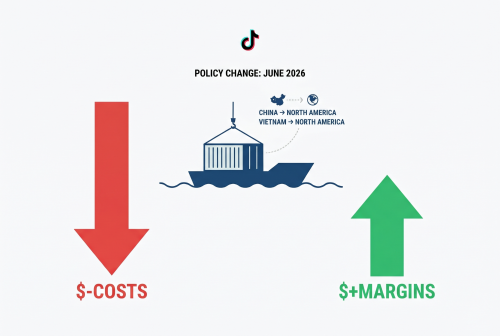
This is the most critical lever you control. To offset the newly added return expenses, you must aggressively lower your primary inbound freight costs. If you are overpaying for your ocean freight or air cargo from the manufacturing hub to your North American 3PL, you have no financial buffer left to handle the returns.
By streamlining your transpacific logistics, you widen your gross margin per unit, giving your business the financial oxygen it needs to absorb the inevitable TikTok return rates.
Secure Your Logistics Infrastructure Today
If your current freight forwarder is eating into your margins with hidden fees and inefficient routing, the June TikTok Shop update will be devastating to your bottom line. You must optimize your inbound freight now.
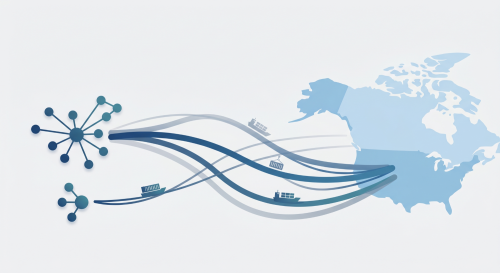
We provide dedicated, high-efficiency shipping lanes specifically engineered for high-volume cross-border brands. With robust, direct routing from China to the U.S. and Canada, as well as high-capacity direct lanes from Vietnam to the United States, we ensure your landed costs stay low and your supply chain stays agile.
Do not wait for the June policy to erode your profits. Audit your inbound logistics costs today and connect with our routing experts to secure your transpacific freight capacity.
08 May, 2026